Hands That Fix, Faces That Listen: A Morning at the Repair Bench

Photo: volunteer repairing toaster village hall repair cafe window light documentary portrait UK, via www.shutterstock.com
There is a particular sound to a village hall on a Saturday morning when someone is trying to save a kettle. The tea urn is ticking, a volunteer is saying “pass me the small screwdriver”, and somewhere near the window a toaster is being turned upside down with the seriousness of a surgical procedure. I took a camera to a local repair café expecting detail shots of screws and wires. I came away with portraits.
Start with the room, not the camera
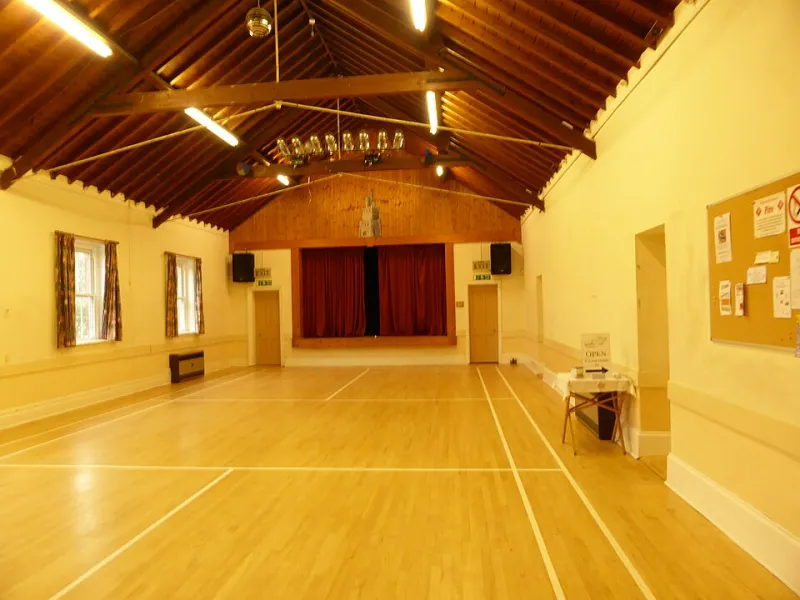
Repair cafés are not staged. That is the point. Tables are pushed together, cables loop across the floor, and there is usually a laminated sign explaining that PAT testing is available but the queue is not. Before I photographed anyone, I found the organiser, explained what I was doing and asked where I should stand. That one conversation changed the whole shoot. People relaxed because they knew I was not there to catch them failing to fix something.
The first frame I made was a wide one: the room, the window, the tea table, the clusters of people leaning over failed appliances. It was not a great photograph, but it was a useful map. It told me where the light fell and where the quiet corners were. In a busy hall, the best portraits often happen at the edges of the room rather than in the middle.
The quiet grammar of a repair
A repair has a rhythm. Someone arrives with a problem. A volunteer listens, turns the object over, asks a question, disappears into a toolbox, and then there is a pause while everyone waits. That pause is where the photographs live.
I worked with a 35mm lens for most of the morning and a 50mm when I needed to get closer without crowding. The light from the hall windows was soft and directional, so I exposed for faces and let the back of the room fall away. No flash. A flash would have turned a gentle morning into an interrogation. I kept the shutter quiet, moved slowly and waited for people to forget I was there. They never entirely did, but they stopped performing for the camera, which is the next best thing.
Hands, faces and the space between them
The strongest frames came in three types. First, hands: a palm steadying a radio, fingers sorting screws into a yoghurt pot, a thumb testing a switch. Second, faces: the volunteer’s concentrated frown, the owner’s polite attempt to understand what a capacitor actually does. Third, the exchange between them, which is harder to catch but worth waiting for.
That exchange often looks like listening. The volunteer tilts their head. The owner leans in. Someone points at a wire. Nobody is posing. These are portraits of attention, and they say more about community than any group shot by the cake table.
Details that do the storytelling
Close-ups are tempting at an event like this, and they can be lovely, but they need manners. I asked before photographing hands or a workbench, and I avoided anything that might make someone feel inspected. The details I liked best were not glamorous: a tray of mismatched screws, a multimeter with a faded sticker, a pencil mark on a wooden toy, the inside of a lamp that had not been opened in twenty years. These frames act like punctuation. They give the viewer something to hold on to between the faces.
When the toaster comes back to life
The moment an appliance works again is small and enormous. There is a click, a light, a hum, and then the owner’s face does something before they have time to arrange it. Relief, surprise, a little embarrassment at being pleased about a toaster. That is the frame. Do not direct it. Do not ask for a smile. Be ready, keep your distance and let the moment happen.
I missed the first one because I was changing a card. I caught the second because I had learned to stand near the testing table and wait. Patience is not a photographic technique, but it is the one that matters most at a repair café.
Working around clutter and mixed light
Village halls are not studios. Fluorescent strips fight with window light, cables cross the floor, and there is always a stack of chairs in the background. I used the window as my key light, turned my subjects slightly towards it, and let the rest of the room go darker. A white wall or a noticeboard can bounce a little light back into a face. If the colour cast was ugly, I fixed it in editing rather than rearranging the room.
Black and white can be a good friend here. It pulls the eye away from mismatched plastic chairs and towards hands and expressions. But I would not convert everything. Some of the warmth belongs to the morning: the tea, the biscuits, the red of a volunteer’s fleece.
Manners at the bench
The repair café is not a spectacle. It is a room full of people doing something useful, and the camera is a guest. I asked before close-ups, avoided names in captions unless people offered them, and made sure nobody felt they had to say yes. If someone waved me away, I moved on. The best documentary portraits depend on trust, and trust is easier to keep than to rebuild.
A portrait of usefulness
By the end of the morning I had photographs of a lamp, a radio, a toy and a toaster, but really I had photographs of people choosing to spend their Saturday helping. The repair bench is a portrait studio with better stories. You do not need much gear, just a window, a quiet shutter and the patience to wait for the moment after the screwdriver goes down.