Quiz Faces and Answer Sheets: A Low-Light Portrait of the Village Pub Quiz
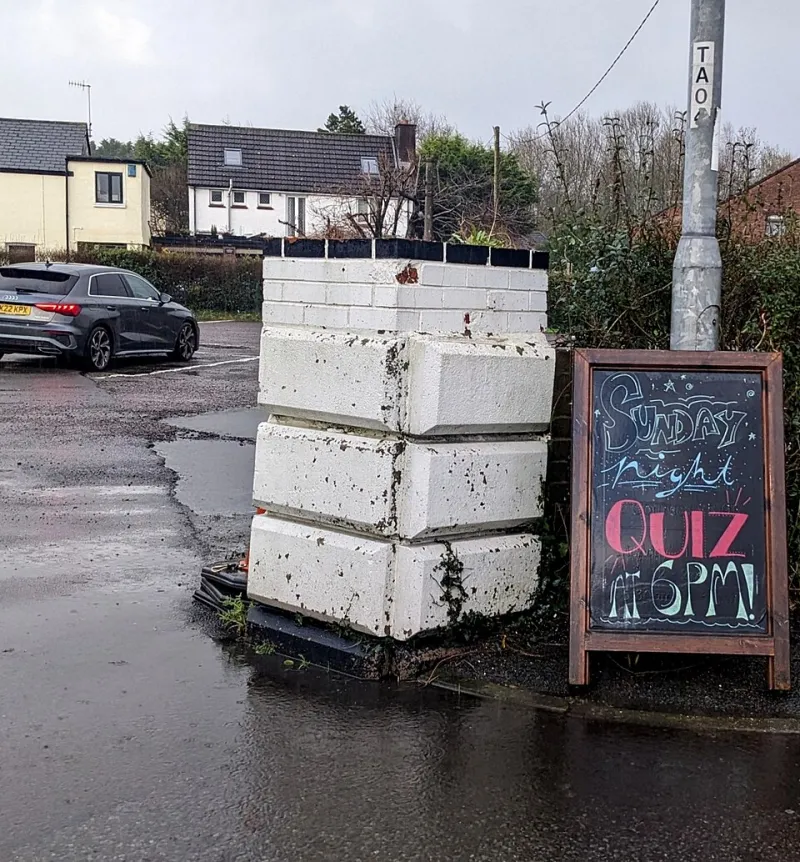
Photo: Jaggery , CC BY-SA 2.0, via Wikimedia Commons
Every pub quiz has its own weather. Some are gentle affairs where the landlord reads the questions over the fruit machine and everyone is home by ten. Others are blood sports with a picture round, a music round and a team captain who has brought a clipboard. Either way, it is a brilliant place to make portraits. Not the stiff, sit-up-straight kind. The real kind: people thinking, arguing, guessing and trying not to look pleased with themselves.
The Room Is the Studio
Walk in and look at the light before you look at the teams. You will probably find a low hanging lamp over one table, a glowing fruit machine in the corner, a TV nobody is watching, and a few phone torches being used to read answer sheets. It is mixed, ugly and completely right for the room. Do not try to fix it with a flash gun. A direct flash turns a pub quiz into a press call, and nobody wants that.
Ask the landlord first, buy a drink, and sit slightly outside the main action. A fast prime lens and a high ISO will get you most of the way. Use silent shutter if you have it. The aim is to be boring enough that people forget you are there, but not so invisible that you miss the moment the quizmaster says the answer was not, in fact, Lisbon.
Read the Rounds Like a Portrait Brief
A quiz has natural chapters. The welcome, the first round, the picture round, the music round, the interval, the arguments, the final scores. Treat those as your portrait brief. The first round gives you concentration: pens hovering, brows down, one person writing while three others watch. The picture round gives you huddles. The music round gives you the person who knows the answer and the person who is absolutely certain they know the answer.
Look for the team roles. Every quiz table has a captain, a skeptic, a scribe and a wildcard. The captain wants to submit the sheet. The skeptic wants to change question four. The scribe is doing all the writing and getting no credit. The wildcard has been quiet for forty minutes and then says the name of a 1970s drummer with total confidence. Those roles are portraits. You do not need names or poses; you need the glance between two people when they both realise they have got it wrong.
Hands, Sheets and Half-Finished Drinks
The details carry the story. An answer sheet with crossings out. A pen chewed at the end. A pint glass leaving a ring on the table. A phone calculator being used for a question that definitely did not need a calculator. These are not still lifes; they are behaviour. Frame them tight and try to keep a hand or a face in the edge of the shot. A close-up of a score sheet is fine, but a score sheet with someone leaning over it is better.
Low light will make you want to clean everything up. Resist. Let the shadows sit. Let the colour casts stay. If the corner of the pub is orange and the other corner is green, that is the pub. Expose for skin where you can, and do not worry if the background falls away. The picture should feel like the room, not like a lighting demo.
The Argument Is the Money Frame
The best frames usually arrive just after the answers are read out. A team that was sure becomes a team that was not sure. Someone laughs too loudly. Someone else points at the answer sheet as if it has personally betrayed them. This is where you wait. Do not machine-gun the table; watch the faces and take one frame when the expression lands. A quiet, well-timed shot of two people disagreeing is worth twenty frames of people looking at a quiz sheet.
Stay unobtrusive. If someone gives you a look that says not now, lower the camera. If a team asks what the pictures are for, tell them. A pub quiz is a community event, and community event photography should feel like part of the room, not like a intrusion with a press pass.
End on the Scoresheet
Do not leave when the last question is read. Stay for the scoring, the winner’s fake modesty, the loser’s review of question seven, and the slow pack-down of glasses and coats. That is your ending. Build a mini-story later: arrival, concentration, huddles, argument, result. Ten to fifteen frames is enough. Keep the grain, keep the odd colour, keep the faces that look like they were caught rather than cast. That is the pub quiz portrait.