Grey Light, Black Bins: Finding the Story After the Bonfire
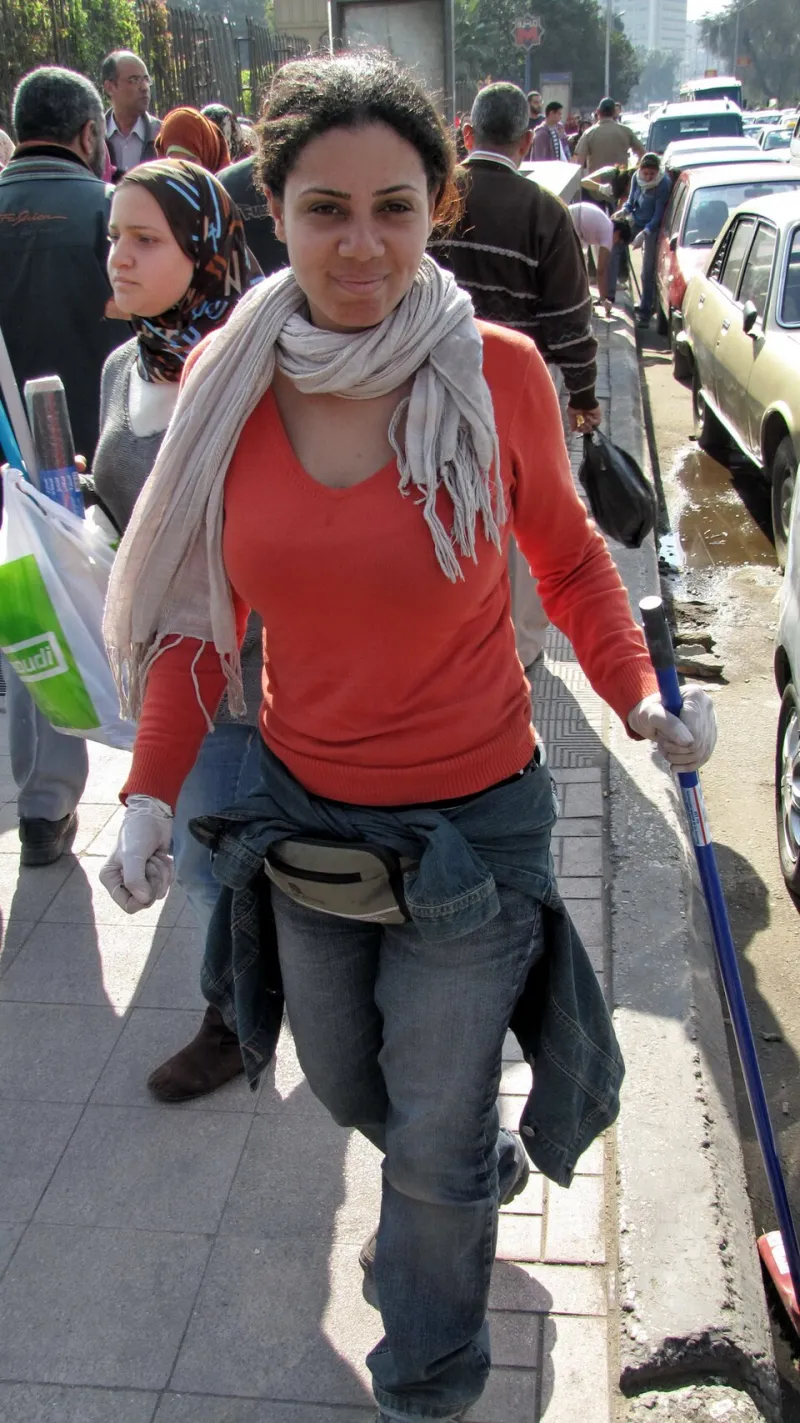
Photo: Sherif9282, CC BY-SA 3.0, via Wikimedia Commons
Bonfire Night gets photographed to death. We all know the frames: the first rocket, the sparkler trails, the kids in hats, the Guy Fawkes silhouetted against a pub wall. By the morning of the sixth, most cameras are back in the bag and the story feels finished. It isn't. The morning after is a different photograph entirely — flatter, stranger, and somehow more human.
Earlier this week I spent a couple of hours at a local recreation ground while a small clean-up crew worked through the remains of the night before. No crowds, no countdown, no one asking where to stand. Just ash, black bins, damp grass and the quiet business of putting a field back together. It turned into one of my favourite Event Stories of the season.
The site before the story
Arrive early. Not because the light will be golden — it won't — but because the site still looks like an event. Later, it becomes a field again. In that first half hour you get the evidence: flattened grass, tyre tracks from the burger van, a lost mitten on a fence post, the ghost of a barrier line in the mud.
Start wide. A 35mm or 50mm lens is plenty. Find a frame that says bonfire without showing a flame: the blackened circle, the pallet stack, the row of bins, the scout hut in the background. The sky will probably be the colour of a wet flannel, so expose for the ground and let the sky go. A blown-out November sky is not a crime. A crushed foreground is.
Start with what's left behind
The first ten minutes are for details. This is where the story lives. A single glove dropped near the tea urn. A spent sparkler bent into a question mark. Half-burnt pallets with nails showing. A Guy Fawkes effigy reduced to a shirt cuff and a stuffed arm. Zip ties in the grass. A safety tape knot around a tree.
Use a close lens if you have one, but don't get precious about macro. A 50mm at f/2.8 is fine. Kneel down. Get the ash on your knees. The point is not to make rubbish look beautiful; it is to show that a good night leaves a mark. Keep your frames simple. One object, one texture, one bit of context.
The people who turn up
This is the heart of it. The clean-up crew is rarely glamorous. It is Scout leaders, rugby club parents, parish council volunteers, a dog walker who brought a spare bin bag, someone's grandad in a hi-vis vest that has seen better decades. They are not performing. They are working.
Photograph them candidly first — hands tying a bag, shoulders hunched against drizzle, a gloved finger pointing at something unpleasant in the hedge. Then ask for a portrait. A quick, friendly ask works: “I'm photographing the clear-up for a local photo story — would you mind if I took a frame of you working?” Most people say yes. Some say no. Both are fine.
Don't turn them into saints. Show the yawn, the flask, the bacon butty, the moment someone leans on a litter picker and looks at their phone. That is the story: ordinary people doing the unglamorous bit.
Shooting in grey, wet, ash-grey light
Flat November light is not your enemy. It is soft, even and forgiving on faces. The trick is to add contrast somewhere else — in the composition, not the exposure. Look for hi-vis against black ash, white bin bags against dark grass, red gloves in a grey field.
Practical notes: take a rain cover or a plastic bag and elastic band. Carry two microfibre cloths. Avoid changing lenses in drizzle; pick one lens and stick with it. Set white balance to cloudy or daylight rather than auto, and check the histogram rather than the back screen. For candid work, keep the shutter around 1/250 sec, aperture between f/2.8 and f/4, and let auto ISO go to 6400 if needed. Grain is fine. Softness from missed focus is not.
Ash gets everywhere. Keep your bag zipped. Don't set a lens down on the ground. If you're going from cold outdoors to a warm car or hut, let your gear acclimatise in the bag to avoid condensation. And clean your front element before the portraits — ash smudges look like fog on a wide aperture.
Give the story a shape
A clean-up can feel like a list of tasks, so build it like a small three-act story. Act one: what remains. Wide frames, details, the mess. Act two: who clears it. Hands, faces, teamwork, tea. Act three: what's restored. The empty field, the tied bags by the gate, the last volunteer walking away.
Don't forget the closing frame. It might be the simplest image of the day: a full black bin bag against a grey sky, or a rake leaning against a fence. That is your full stop.
Etiquette matters more than the shot
Ask before photographing close-up portraits, especially of children. If a volunteer is working near a road or lifting something heavy, stay out of the way. Don't direct the clean-up for the sake of a picture. And offer the images back to the group afterwards — a shared folder costs nothing and builds trust for next year.
By the time I left, the field looked almost ordinary again. The ash was still there, but the bins were full and the barriers were stacked. The bonfire is the event. The clean-up is the story. And in flat, damp November light, that story photographs beautifully.