Empty Promenade, Full Frame: A November Morning on the Seafront

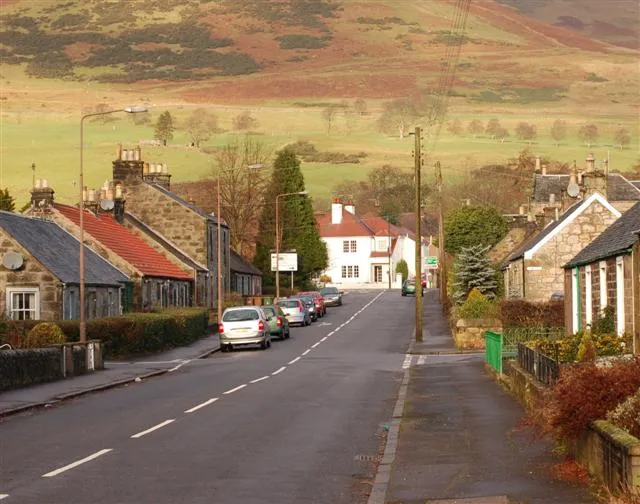
Photo: empty British seaside promenade November grey sky shuttered arcade, via wallpaperaccess.com
There's a particular sound to a seaside town in November. Not silence, exactly. More like the place has turned its collar up. The promenade empties, the arcade shutters come down with a clatter that echoes too far, and the wind gets a clear run at everything. I went out with a camera to shoot that version of the coast — not the postcard, not the summer crowd, just the front on a flat grey morning.
The town exhales
Arriving early helps. Before the cafés open, you get the seafront at its most honest: bins being dragged, a delivery van idling outside a chip shop, one dog walker doing the full length with the enthusiasm of someone who has already decided the weather won't beat them. The light is soft and even, which sounds boring until you realise it's doing you a favour. No harsh shadows, no blown highlights on wet tarmac. Everything sits in the same gentle register.
My first instinct was to photograph the emptiness as emptiness — wide frames, lots of sky, nobody about. That gets old fast. Ten shots in and the story starts to feel like a council report. The trick is to look for what's still switched on. A single light in a closed arcade. A chalkboard with yesterday's special still legible under the rain. A row of hooks outside a shop, empty but neatly spaced.
Working with flat light
Grey skies in the UK are not the enemy. They're a giant softbox, and on the coast they come with a bit of salt in the air and a lot of reflected light off the wet pavement. I exposed for the brighter parts of the sky and let the foreground settle a stop or so under — it holds the mood without crushing detail.
A few things that helped:
- Keep the horizon straight. It sounds obvious, but on an empty promenade there's nothing to distract from a wonky sea line.
- Use the railings. They give you leading lines, a sense of scale and something to anchor a wide shot when the middle of the frame is just wet concrete.
- Underexpose the sky slightly. It keeps the texture in the clouds and stops the sea from turning into a white strip.
- Shoot the reflections. Wet tarmac and puddles double the light and add a bit of grit to an otherwise clean frame.
Salt, spray and the lens cloth
Coastal air is hard on kit. I keep a microfibre cloth in my pocket and another in the bag, and I check the front element every few minutes. Salt spray doesn't announce itself — it just builds up as a faint haze that softens contrast and ruins a sharp frame without you noticing until you're home.
A cheap rain cover is worth more than it costs. So is a lens hood, mostly for the wind and the occasional sideways drizzle. If you're changing lenses outside, turn your back to the sea and do it quickly. Sand and salt have a way of finding the one gap you left open.
And give yourself permission to shoot fewer frames. In flat light, the temptation is to keep going until something happens. Sometimes the better move is to stand still, watch the front, and wait for a single figure to walk into the frame at the right distance.
The details that carry the story
Absence is a hard thing to photograph directly. It's much easier to shoot the evidence of presence. A stack of folded chairs outside a closed café. A faded ice-cream sign with the prices still up. A row of beach huts with their shutters padlocked and their numbers freshly painted. These are the small, stubborn details that tell you people will be back — they just aren't here today.
The arcade is the best example. Shuttered, it looks like a dead end. But get close and you find the odd things: a curl of ticket tape caught in the door, a sticker for a charity raffle, a handwritten note about a broken machine. That's the story. Not 'closed', but 'closed for now, and looked after'.
The people who stay
There are always a few. The bloke with the metal detector working the wet sand in a steady line. The couple sharing a flask on a bench, both in coats that have seen better decades. The chip-shop owner propping the door open with a brick, steam rolling out into the cold.
Ask before you photograph, and be ready for a no. Most people say yes if you explain you're shooting the front out of season — it's a compliment, in a way. Keep the conversation short, take the frame, and don't overstay. A portrait of someone leaning in a doorway with their arms folded is worth ten empty landscapes.
Editing absence without defeat
In the edit, I resisted the urge to warm everything up. A November front shouldn't look like July. I kept the blues and greys, pulled back the contrast a touch, and let the wet surfaces do the work. The only real lift was on the chip-shop window and the odd light in the arcade — small warm notes against all that cool air.
A good test is to look at the set and ask whether it feels like a place you'd want to visit. Not in summer — now. If the answer is yes, even slightly, you've shot absence without turning it into a eulogy.
What the front gives you
A British seaside town in November isn't closed. It's just between crowds. The light is soft, the details are close, and the people who are still out there are worth photographing properly. Take a cloth for the salt, keep your horizon straight, and look for what's still switched on. The promenade may be empty, but the frame doesn't have to be.