Blue Hour at the Boot Sale: Torchlight, Trestle Tables and the 5am Regulars
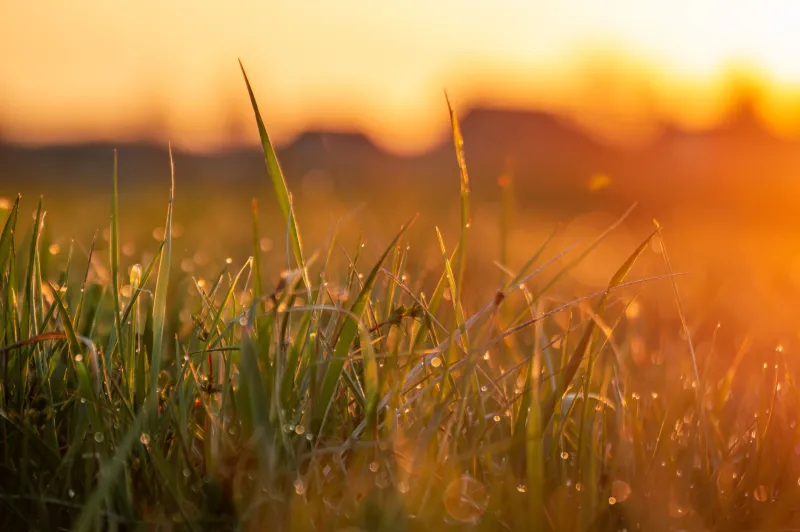
At 4:50am a car boot sale is mostly weather and footsteps. The field is still a field. The stalls are still shapes under tarpaulins. Then a torch clicks on, a thermos lid squeaks open, and a very British weekly ritual starts to assemble itself out of dew and diesel fumes.
I go for the hour before the bargain hunters arrive. Not because I want first pick of a box of spanners, but because that hour is where the story lives. Before the haggling, before the carrier bags, before anyone has decided what kind of day it is going to be.
The Field Before It Becomes a Shop
The first ten minutes are about orientation. Where is the light coming from? Where are the cars reversing? Which way will the sun eventually creep across the grass? At this time of year the answer is usually ‘sideways and reluctantly’. The sky goes from ink to slate to a thin, watery grey that never quite commits to blue.
This is not the moment for a long lens and a hiding place. It is the moment for a 35mm or 50mm, a wide aperture and the willingness to stand still while people work around you. You are not the main event. You are a lamp post with a camera.
Watch the regulars. They arrive in the same order, in the same vehicles, with the same practised unhooking of trailer ramps. One man unfolds a pasting table with the ceremony of a vicar setting an altar. A woman arranges cassette tapes into rows as if they are about to be inspected by a tribunal. Nobody is performing yet. That is exactly why it photographs.
Unpacking Is the First Portrait
The obvious shot is the stall: the plates, the mugs, the inexplicable fondue set. The better shot is the person deciding where the plates should go. Unpacking is a small act of self-exposure. You are watching someone choose which parts of their life deserve a trestle table and a handwritten sign.
Look for the pause. The hand hovering over a box. The frown at a chipped jug. The quiet laugh at something they had forgotten they owned. Those micro-moments are more honest than any posed smile over a cash box.
I like to shoot a wide frame first to set the scene, then step in for hands, faces and the geometry of the clutter. A headtorch beam across a face is not flattering, but it is true. You can expose for the skin and let the torch blow out. You can also wait for the moment someone turns away and the light falls across the side of their cheek. Patience beats flash at this hour.
Exposure When the Only Light Is a Torch
Practical notes, because the blue hour is beautiful and also a menace. Start at ISO 3200 and do not be precious about ISO 6400. A noisy photograph of a real moment is worth more than a clean photograph of nothing. Open up to f/1.8 or f/2 if your lens allows. Keep your shutter around 1/60 to 1/125 for people who are moving slowly; drop to 1/30 for static details if you have steady hands or a wall to lean on.
Mixed light is the real problem. You have tungsten torches, sodium lamps in the distance, and a sky that is turning from blue to grey. Shoot raw. Set white balance to something sensible and fix it later. Do not chase perfect colour at 5:15am; chase the expression.
A small torch of your own can help you find focus, but use it like a politeness, not a searchlight. A quick beam at the ground, not at faces. If someone is holding a torch, let their beam do the work. Side-light from a headtorch can carve out a lovely shape if you position yourself slightly off-axis and wait for them to turn.
Clutter Is a Composition Problem and a Gift
Car boot clutter is a nightmare for clean composition and a gift for storytelling. You are not there to make a minimalist still life. You are there to show the glorious absurdity of a box labelled ‘odds and sods’ next to a porcelain owl and a set of allen keys.
Look for repetition: rows of mugs, stacks of DVDs, a line of used gardening gloves. Look for contrast: a delicate teacup beside a lump hammer. Use the trestle table edge as a leading line. Shoot through the gap between two stalls to frame a seller in the distance. Get low for the boots and the dew. Get high for the layout.
And do not forget the ground. Half the story is at ankle height: cable ties, puddles, a dropped glove, the corner of a rug that someone has laid down to make their patch feel like a shop. The field is the set. The clutter is the script.
Consent in a Place Where Everyone Is Half Awake
A car boot sale is public-ish, but it is not a photo studio. People are tired, cold and focused on earning a few quid. Ask before you shoot close. A simple ‘Do you mind if I take a few frames of the stall?’ works. If they say no, move on. If they say yes, show them the back of the camera. It breaks the ice and it is basic respect.
Be careful with children and cash boxes. Do not photograph number plates. If someone is counting money, ask first or frame it so the notes are not legible. If you promise to send an image, actually send it. A car boot sale runs on small trust; do not be the photographer who spends it.
The Haggle Is a Scene, Not a Set Piece
By 7am the theatre begins. The first serious buyer arrives with a practised squint and a question that is really a negotiation: ‘What would you do on the whole box?’ The seller folds their arms. The buyer laughs. Somebody’s dog gets involved. This is not conflict; it is choreography.
Shoot the hands. Shoot the eyebrow. Shoot the moment the price lands and both people pretend they have not been waiting for it. The haggle is a tiny two-hander, and it is over in seconds. Stay wide enough to keep both faces in the frame, and do not machine-gun the shutter. One well-timed frame beats twenty of someone’s mid-sentence grimace.
From 5am to 8am: Finding the Arc
A photo story needs a shape. Mine usually runs: arrival and torchlight, the unpacking, the first customers, the full stall, the first sale, the flask. That is a beginning, a middle and an end, and it happens in about three hours.
The flask is the closing frame for a reason. At some point the seller sits down, pours tea into the plastic lid, and looks at the field as if it is a job well done. The stall is no longer a pile of stuff. It is a small, temporary shop with a human being behind it. That is the photograph. Not the bargain. The ritual.
By the time the sun finally gets its act together, the magic has usually gone. The light is flat, the crowds are busy, and the torches are back in the glovebox. That is fine. You already got the story before the world woke up.