Cable Ties and Half-Lit Stages: What a Soundcheck Tells You About a UK Gig

Photo: soundcheck empty UK music venue cables stage lights load-in, via i.etsystatic.com
At 5:40pm the venue is still a room. The lights are up, the floor is sticky from last night, and a drummer is on his knees taping a cable to the stage. The tour van is half-unloaded by the fire exit. Nobody is clapping. Nobody is filming. This is the part of a UK gig that rarely makes the poster, and it is usually the most honest part of the night.
The Room Before the Room
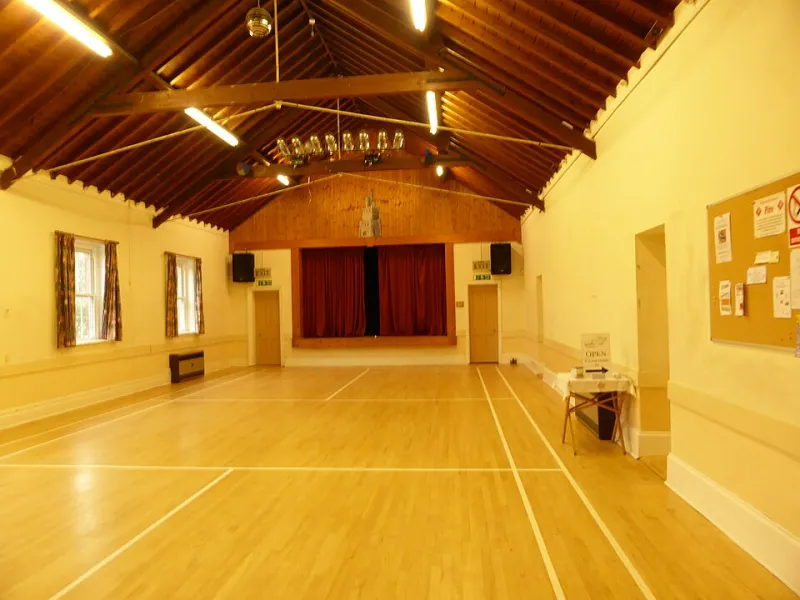
An empty venue has its own character. Without a crowd, there is nowhere to hide: the scuffed black walls, the pub-style carpet, the handwritten setlist taped to the monitor, the half-finished pint on the bar. The house lights are bright enough to show every mark. That is what makes it interesting.
I arrive early, introduce myself to the venue manager or tour manager, and ask where I can stand. Sometimes the answer is “not near the desk”. Sometimes it is “nowhere during line check”. Both are useful. The aim is not to capture everything. The aim is to be trusted enough to capture a few quiet frames without becoming part of the load-in.
Load-In: Shooting Without Becoming Part of the Load
Load-in is movement: flight cases, guitar bags, cable coils, a pedalboard wrapped in a towel. People are working, and they are usually tired. Stay out of doorways. Do not stand at the top of the stairs. Do not ask the bass player to hold a pose while he is carrying an amp.
Use available light and a fast lens. A 35mm prime is ideal for the tight back room of a UK venue, where the distance between the van and the stage is about four metres. Shoot hands, cases, tape, the stack of merch boxes. If you want a face, wait until the person pauses. A quick, quiet frame of someone concentrating on a cable is worth more than a forced smile.
Flash is usually a bad idea during load-in. It is distracting, it makes people self-conscious, and it can be a genuine safety issue when someone is moving gear. Save it for later, or leave it in the bag.
Line Check Is Not Soundcheck
Line check is the unglamorous bit where the engineer checks that each instrument is reaching the desk. It is repetitive, technical and not remotely dramatic. It is also a gift for a photographer who likes detail: the engineer’s hand on a fader, the singer testing a mic with “one, two”, the guitarist staring at a pedalboard like it has personally wronged him.
Keep your movements slow. If your camera has a silent shutter, use it. Do not chat during line check. Do not ask for a song. Watch the sound engineer — they are the person who actually knows what is happening. If they look at you, nod, and move out of the way before they have to ask.
The Half-Lit Stage Is a Portrait Studio
Before the full lighting rig comes up, the stage is often lit by a work light, a single wash, or whatever spills in from the bar. That half-light is beautiful. It is also honest. You see the tape marks on the floor, the setlist, the water bottle, the spare drumstick. You see the support act watching from the side, not yet in performance mode.
These frames matter because they show the labour behind the performance. The gig is not just the headline set. It is the crew, the venue staff, the merch table, the person sweeping the floor before doors. A photograph of a half-lit stage with a single cable running across it can say more about grassroots music in Britain than a hundred shots of a singer mid-chorus.
Working Quietly Around Crews and Artists
Etiquette is simple: introduce yourself, ask where you can and cannot go, and accept the answer. Do not move cases. Do not unplug anything. Do not ask for a portrait during line check. If an artist says no, stop. If the venue says no flash, no flash. If the tour manager asks you to leave the dressing room, leave.
Wear dark clothes. Keep your bag zipped and close to your body. Do not stand in the sightline of the sound desk. If you are shooting during soundcheck, keep it brief. The crew are at work. Your job is to be invisible enough that they forget you are there, and present enough that you get the frame when it arrives.
Why These Frames Matter
UK live music is full of small rooms with big histories: the back room of a pub, the 200-cap venue above a shop, the arts centre with the squeaky stage door. These places run on goodwill, tight budgets and people who care. The pre-show hours show that machinery. They show the sticky floor and the cable ties and the half-finished joke between the drummer and the engineer. That is the texture of a real gig.
When the doors open, the room changes. The crowd brings noise and heat and a different kind of energy. That is worth shooting too. But the story started earlier, with a van at the fire exit and a stage that was only half-lit.
A Practical Low-Light Kit for Pre-Show
Bring a fast prime — 35mm f1.8 or wider — and a second body if you have one. A silent shutter helps. A lens cloth is essential, because venues are dusty and fingers are sticky. Leave the tripod at home; it is a hazard in a load-in. Keep a small torch in your pocket, but do not shine it at anyone’s face. If you use flash later, bounce it or keep it off the artists during line check.
Leave the Room to the Room
Do not post backstage secrets. Credit the crew when you can. Send the venue a couple of images afterwards. Then get out of the way when doors open. The most honest part of a UK gig happens before anyone claps. Shoot it quietly, frame by frame.